
STANLEY tells it all – Studying Sousa: marches – interpretation
The one thing I expected of the American military bands, is to show us a uniform interpretation of John Philip Sousa’s marches. Listening to recordings of the US Marine Band, US Army Band, US Army Field Band, US Air Force Band, US Navy Band, US Coast Guard Band, US Military Academy Band and others, I noticed a similar but not the same interpretation. Differences are primarily found in the tempo, even between recordings by various Music Directors of the US Marine Band.
Allow me to add this is to my relief. Standardization would mean all bands need to follow. An approach as used by European symphony orchestras and classical soloists for a lengthy period in time. It made me realize once again the USA doesn’t have that development curve in Classical Music, which is after all typical European. The land of the free, right?
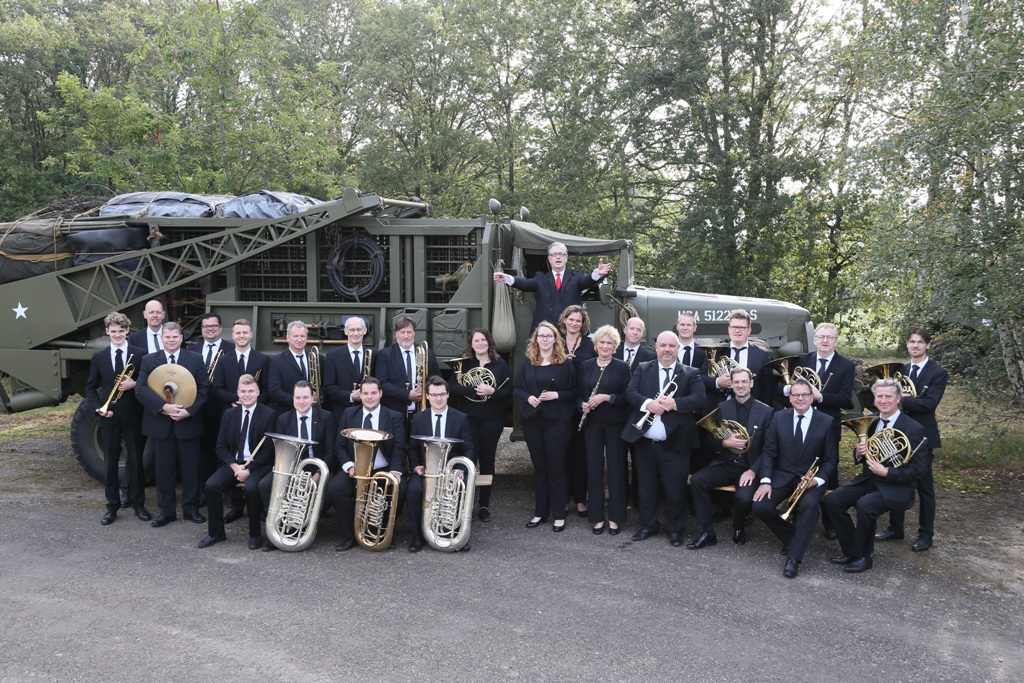
The Sousa Tribute Band is a civil band, which requires us to have a look outside the military music history as well. This is not as easy as it appears, since the US military bands strongly stress Sousa’s relationship with the US Marine Band. Even though this was only 12 years in duration which should be overshadowed by the following 38 years after, during which he performed with the Sousa Band. The latter being a civil band, off course, although their appearance was sort of in the middle of both.
Interpretation is key to all music. Here we see an opportunity to make a difference. However, what to do with a march? The same, off course! My thoughts are that most military bands play marches a little too fast, which doesn’t allow time for clear phrasing nor musicality in performance. As one of my teachers once said: ‘we can play as fast as an athlete can run, but do we call that music?’
Since most marches have wonderful melodies, we need to play these with great musical taste. Being the narritive in any given piece of music, the melody requires our full attention. Therefore, everything starts with articulation, just like in the spoken language. Result being ‘logic in telling the story’ and yes, the audience understands this all too well. Most listeners may not be able to explain it in words, but they sure do experience it.
Here we have a serious task at hand, since we as professionals re-perform what the composer put to paper. His notes are our obligation to make it sound like music, not athletics.
Stanley E. van Wel MM – Music Director
Posted on LinkedIn.com dated 24 January 2024